Knowledge Articles

Plasma surface treatment is a technique that can improve the quality and durability of dental prosthetic structures, such as implant posts. By applying plasma to the surface of these structures, contaminants can be removed and wettability can be increased. This enhances the adhesion between the implant and the surrounding tissue, leading to better long-term outcomes.

Influence of electrode processing and electrolyte composition on multiwall carbon nanotube negative electrodes for sodium ion batteries

Room Temperature Electronic Functionalization of Thermally Sensitive Substrates by Inkjet Printing of a Reactive Silver-Based MOD Ink
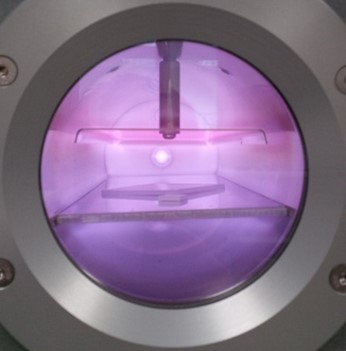
PTFE, and other fluorinated polymers, are chemically inert, thermally stable and highly hydrophobic, due to their intrinsically low surface energy. The chemical inertness of PTFE as an example, means that it is virtually impossible to form lasting adhesive bonds and coatings tend instead to form droplets and 3D particles on the surface rather than a uniform film. Traditional methods to increase the surface energy involve the use of aggressive primers which represent an ecological hazard.

Efficient carrier-filtering performance probing of oxide buffer-layers in organic solar cell at nanoscale

The next SEMT meeting will be held on the 7th December 2022 at the Natural History Museum. The Society of Electron Microscope Technology (SEMT) is a forum for ideas on techniques and applications in microscopy. It has become one of the foremost user groups in the country, addressing all aspects of microscopy from instrument design and specimen preparation to digital image acquisition.
Thank you for registering your system!
Your system details are as follows:
Warranty Expiry:
6-Month Maintenance Reminder:
12-Month Maintenance Reminder:

Microfluidics refers to the behaviour, precise control, and manipulation of fluids that are geometrically constrained to a small scale (typically sub-millimetre) at which capillary penetration governs mass transport. It is a multidisciplinary field that involves engineering, physics, chemistry, biochemistry, nanotechnology, and biotechnology.
What are Microfluidics?
Microfluidics have practical applications in the design of systems that process low volumes of fluids to achieve multiplexing, automation, and high-throughput screening. Microfluidics emerged in the beginning of the 1980s and is used in the development of inkjet printheads, DNA chips, lab-on-a-chip technology, micro-propulsion, and micro-thermal technologies. [1]
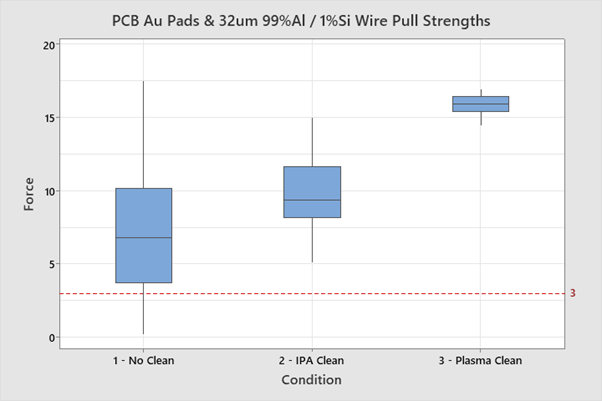
Henniker Plasma, presents the latest and most reliable solutions for reducing wire bonding failures.