Knowledge Articles
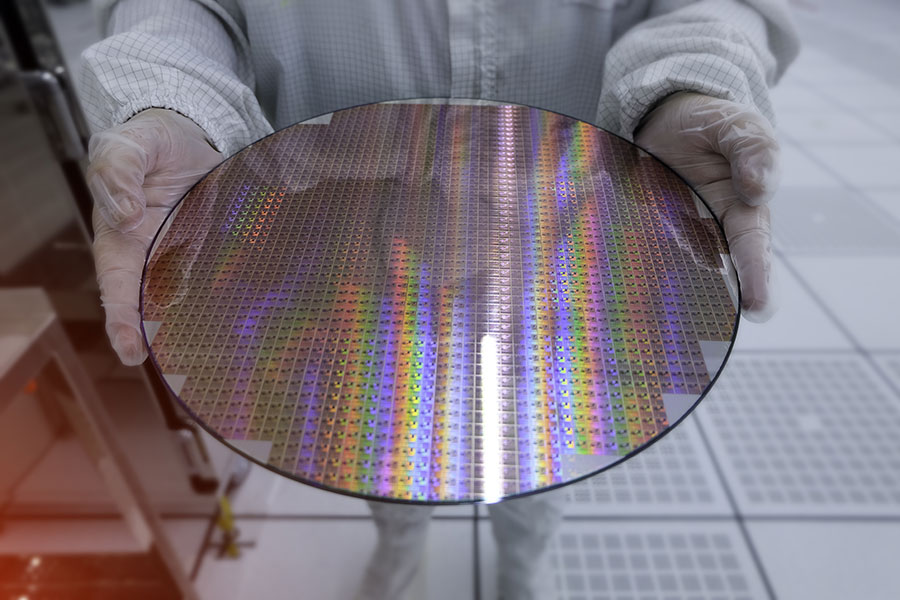
Plasma cleaning of silicon substrates for spin coating of nano-polymer films
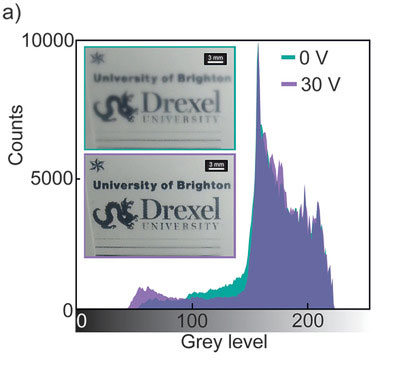
Plasma cleaning and activation of Intraocular Lens (IOL) materials prior to spin coating with 2D transition metal carbides
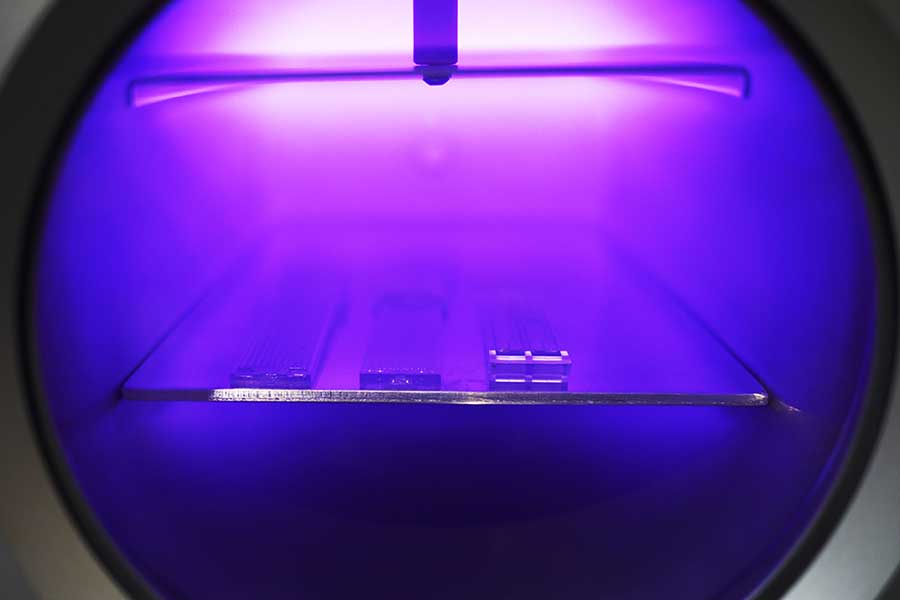
Irreversibly Plasma-Bonded PDMS Microfluidic Devices

What is surface energy and why is it important?
In this ‘Let’s talk About…’ article we discuss the measurement of surface energy and ultimately, how plasma treatment can be used to alter surface energy in order to improve adhesion and bonding.
Hybrid molecular/mineral lyotropic liquid crystal systems from Graphene Oxide.

The most commonly asked question concerning plasma surface treatment is; How long does plasma treatment last?
In this ‘Let’s talk About…’ article we discuss the main factors that influence the lifetime of plasma surface treatments and explain how these factors can affect different materials.

Plasma Treatment in the Automotive Industry

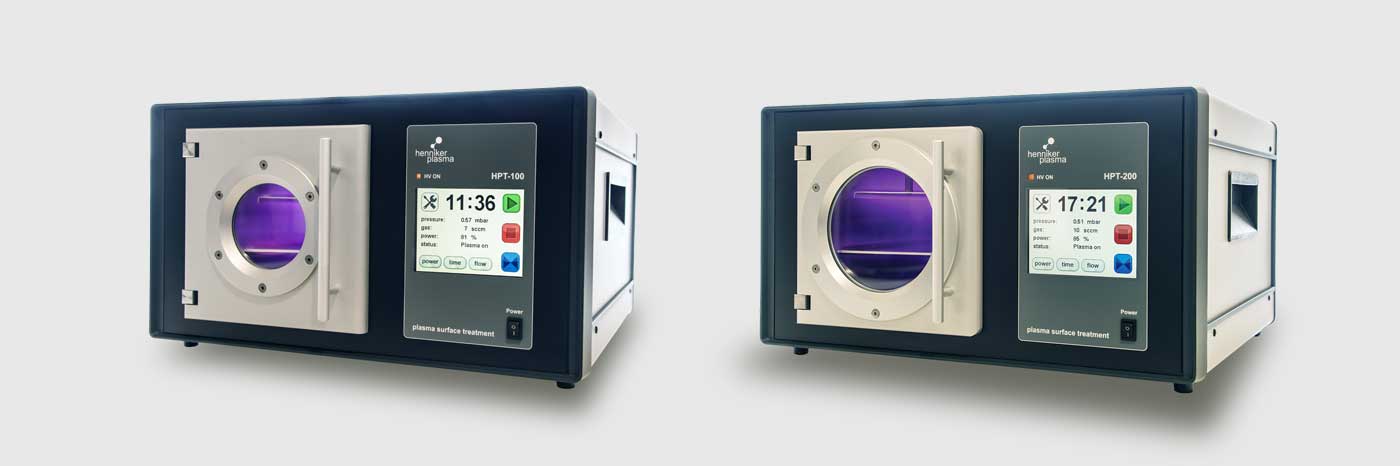
Newly published article using the Henniker HPT-100 plasma system to assist with precise patterning of solar cells.
Researchers at the King Abdullah University of Science and Technology (KAUST) in Saudi Arabia have recently used a Henniker HPT-100 to aid in their efforts to fabricate indium tin oxide (ITO)-free ultra-lightweight organic solar cells through inkjet-printing whilst preserving high efficiencies.
In-situ water layer thickness determination during accelerated corrosion testing
A collaboration of researchers at the University of Virginia, Sandia National Laboratories Albuquerque, and Tohoku University Japan have recently published a paper that outlines the design, construction, and validation for in-situ water layer thickness determination during accelerated corrosion testing. In this work the Henniker HPT-100 was used to remove hydrocarbon contamination from the surface within the sensor in order to give a uniform for water layer, thereby creating an experimental system geometry that is directly comparable to the modeled geometry thickness determination.

Nano-devitrification and structural evolution of the amorphous state in surface Ti-Ta-based alloy fabricated on a TiNi substrate through additive thin-film electron-beam synthesis. Henniker’s HPT-100 was used in this work for the removal of carbon contamination before SEM EDS characterisation of the sample surface.